 Skip to content
summation
clown panic It points out the absurdity of the Great Clown Scare of 2016, but also offers a sobering analysis of the moral panic of the digital age that is truthful and damning in its consequences.
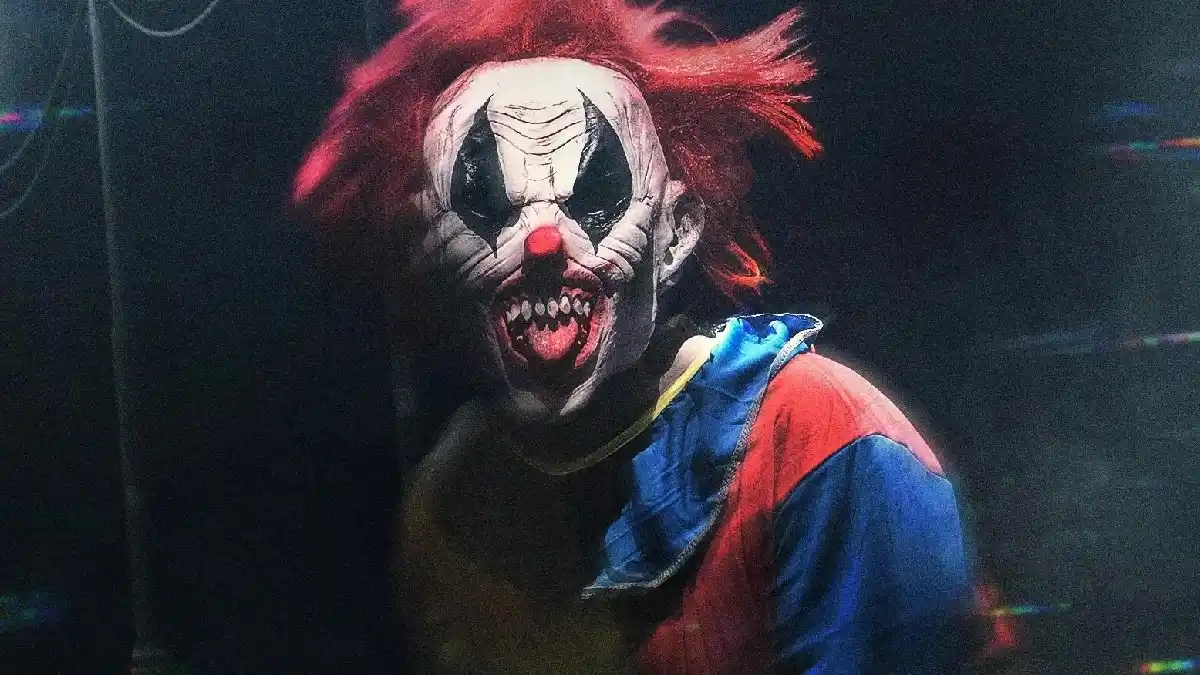
In 2016, the United States was gripped by a phenomenon known as the Great Clown Scare. Suddenly the country was full of people dressed as clowns, taking it upon themselves to terrorize unsuspecting passers-by. Coulrophobia is surprisingly common, with apparently 53-54% of people expressing a fear of clowns. So, no matter what Ronald McDonald says, people are generally not fans. What Hulu taps into in its Huluween documentary is the innate wariness of people with painted faces and big pants. clown panic. Similarities to America’s own history and culture are secondary.
But they are there. A myth that started in the South Carolina woods but metastasized into a national panic can only travel along existing fault lines. It’s no coincidence that the trend of people dressing up as killer clowns began and spread in poor, predominantly black neighborhoods. It’s equally unsurprising that until the “proven commodity” of school shootings occurred, no one took them seriously. And why would a trend like this spread other than through social media buzz, inspired by a pop culture that has already vilified clowns on all fronts? Stephen King’s that to terror fire A franchise about murderous exploitation on a darker level. John Wayne Gacy. The clown panic was no accident. In many ways it was inevitable.
Ed Perkins (princess) understands this and traces the Great Clown Scare from its origins to its inevitably overblown climax of mass terror and mobilized clown-hunting squads. But on the way there, he undergoes some surprising changes. It’s inevitable that much of this is comical, and it’s often treated as such in darkly comic sequences at several moments, especially when a professional clown worried about a downturn in business is interviewed in full makeup. At times, the doc more resembles a horror film, utilizing light jump scares and eerie close-ups to emphasize that clowns are scary to look at but harmless, and for a while that remains true.
But about halfway through, clown panic It broadens its scope by exploring what formed the backdrop to the intense political and cultural events of the time, including the rise of Donald Trump, race riots, social unrest, and America’s commercial success. that Remake, North Korean nuclear panic, etc. have created a combustible environment in which clowns become convenient scapegoats. The urban myth broke the blockade and plunged the transom into a state of complete moral panic. What had been a local joke suddenly became a national threat.
The tendency for relatively small events to take on terrifyingly large proportions is not new. This is a trend that goes back to McCarthyism and beyond. But the Great Clown Scare has been fueled by social media, especially in a paranoid cultural moment where political campaigns have weaponized distrust of mainstream news media. Such a completely made-up rumor becomes a full-blown crisis that puts innocent bystanders in the crosshairs. Those with a vested interest in perpetuating the deception suddenly found themselves on a clear run with a device for uncovering lies that were condemned with habitual distrust.
At first glance, there is nothing unusual about its structure. clown panicSet of talking heads and archival footage. But it is uniquely positioned to be a thorough examination of what is arguably the first truly modern moral panic, and it accomplishes that mission well, exposing its sincerity as much as its absurdity. The closing act is a powerful and earnest lament of the real human cost we must pay for cultural and systemic failure, something that the Great Clown Scare ultimately and ironically highlights. Of course, clowns are scary. But what’s scarier is the culture of distrust so deep that hatred of clowns is the only thing people can agree on.