 Skip to content

Folk horror is one of the most potent of all of horror’s many sub-genres, but it can be hard to define and even harder to execute. Of all the sub-genres, the borders of folk might be the most porous. It’s also one of the oldest, existing almost as long as the medium has. It’s the realm of lore, rural settings, and archaic traditions.
These films invoke the old ways and are typically the domain of paganism, witchcraft, and superstition. They aren’t necessarily set in the past, but they often involve an outsider coming into a closed, ritual community or urban dwellers finding themselves lost in a different system defined by its commune with nature and tradition. Some define it as a clash of the new and the old, but not every movie where a trendy city slicker encounters ol’ fashioned folk qualifies. True folk horror, and the best of it, has an eerie, uncanny feel that ties the story to a sense of place, time, and the folklore that either guides the horror or protects the characters from it.
This list isn’t a ranking of the best horror films so much as it is a survey of the most influential and celebrated titles, split between this century and the last one. Some films often discussed in the same breadth aren’t included simply because they just don’t cross the threshold. Ken Russell’s The Devils was released in the same era as the genre-defining (at least for Western cinema) UK triumvirate, but it’s less folk than psychological horror mixed with historical fact. Hereditary is sometimes spoken of in the same breadth, but it lacks the tone, setting, or mood of the films here. Where possible, we’ve tried to highlight similar films, but anyone looking for a more complete folk horror compendium should check out Woodlands Dark and Days Bewitched: A History of Folk Horror.
With that, a brief survey of best folk horror films:
1. Häxan (1922)

The first great folk horror movie is also a hybrid work mixing documentary and dramatization that still resonates more than a hundred years later. Häxan: Witchcraft Through the Ages pre-empts a century of storytelling, mixing fact and fiction to conjure both scares and a meaningful discussion of how so much horror imagery may have been the product of social stigma around mental disorders.
Written, directed by, and starring Benjamin Christensen, the film is divided into seven parts that intersperse dramatic vignettes with a documentarian’s lens to how demons, witches, and other phenomena were viewed in medieval cultures. Christensen stages these superstitions, which include love potions and Satanic seductions before moving on to show how these superstitions were invoked by inquisitors and religious authorities to terrorize citizens. Beating nearly every other film to the punch and also displaying the power of cinema, Häxan is folk horror, a dissection of it, and a display of how humans’ belief in said horrors actually begot them.
2. The White Reindeer (1953)

The White Reindeer is one of the earliest examples of folk horror in the modern era. Erik Blomberg’s film debut, set in Lapland and drawing on Finnish mythology and Sami spiritualism, wowed audiences across its staggered release. It competed at Cannes and took home a special jury award (“best fairy tale film”). It wouldn’t be released in the States for five more years, but when it did, it took home a Golden Globe.
A fairy tale rooted in animism, The White Reindeer tells the story of Pirita, a child born of prophesy. When she’s older, she falls in love with a reindeer herder whose frequent absences often leave her lonely. To alleviate her heartache, she turns to a local shaman who offers a potion and calls for a sacrifice. With this, The White Reindeer invokes many of the tropes and motifs that would define folk horror in the post-war period. It was notably praised for its atmosphere and imagery as well as for how it approached fantastical storytelling with neorealist approaches. One of the earliest exemplars of the genre, it stands as an early folk horror classic.
3. The Virgin Spring (1960)
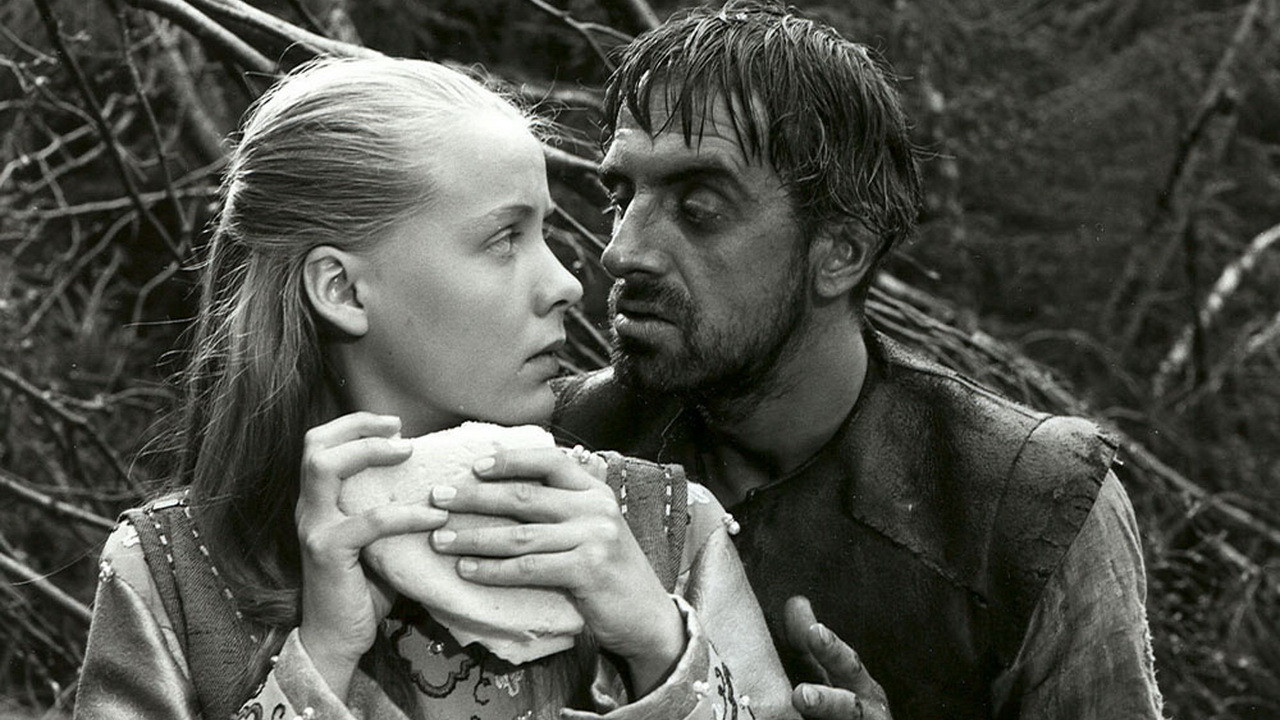
Ingmar Bergman’s classic isn’t always thought of as folk horror, but the trappings are there: an isolated landscape, insular, tension between paganism and encroaching Christianity, and violence that speaks to ritual and karmic justice. The Virgin Spring is based on the 13th-century folk ballad “Töre’s Daughters in Vänge”, and its violence was shocking enough to prompt censorship in the States. It was even remade as the equally shocking (for its respective contemporary audience) The Last House on the Left by Wes Craven.
In medieval Sweden, devout Christian parents send their daughter to church to deliver candles. She is attacked and killed by two goatherds who inadvertently take refuge in her family’s home. When father Töre (Max von Sydow) discovers what happened, revenge and ritual are unleashed. The Virgin Spring was an artful adaptation of folklore used to explore timeless themes that were particularly clawing at the minds of postwar audiences. It’s one of Bergman’s seminal classics (netting the Oscar for foreign film among a slew of other honors), and while it’s not always associated with folk horror, it’s one of the best distillations of the genre.
4. Kwaidan (1964)
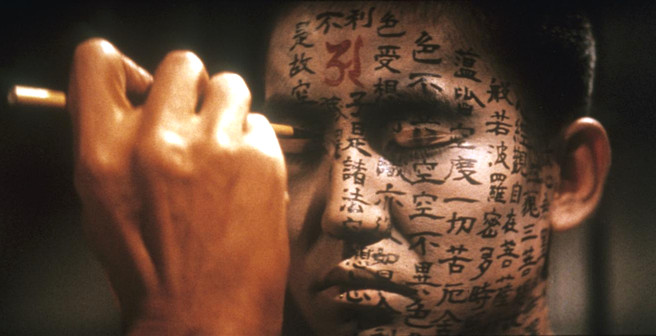
At least in the West, folk horror is largely defined by a triumvirate of UK classics, but film industries farther east have long drawn on folklore for big-screen scares. Japan has a notable tradition, with classic Ugetsu (1953) held up a proto-folk horror film. One of the most famous examples of Japanese folk horror is Masaki Kobayashi’s Kwaidan. Written by Yoko Mizuki based on a collection of Japanese folktales, Kwaidan is more than just a collection of tales of vengeful spirits. It’s a classic of postwar Japanese cinema roundly considered one of the greatest films of all time, one of the greatest horror films of all time, and possibly the best horror anthology of all time.
Kwaidan consists of four separate stories, each with their own cast, and they’re united by a shared sensibility by which immorality is paid in kind by paranormal vengeance. An impoverished swordsman leaves his wife for another. Two woodcutters seek refuge in the wrong hut. A blind musician’s talent appeals to the spirits, and an author recounts a story within a story. Despite bankrupting its studio and underperforming in Japan, Kwaidan was critically hailed by domestic critics and was popular abroad, going to Cannes and finding success in the United States, where it was edited down considerably with one segment removed. Today, the full 183-minute cut has been restored, and Kwaidan sits comfortably in the canon of folk horror as a masterwork of storytelling.
5. Onibaba (1964)
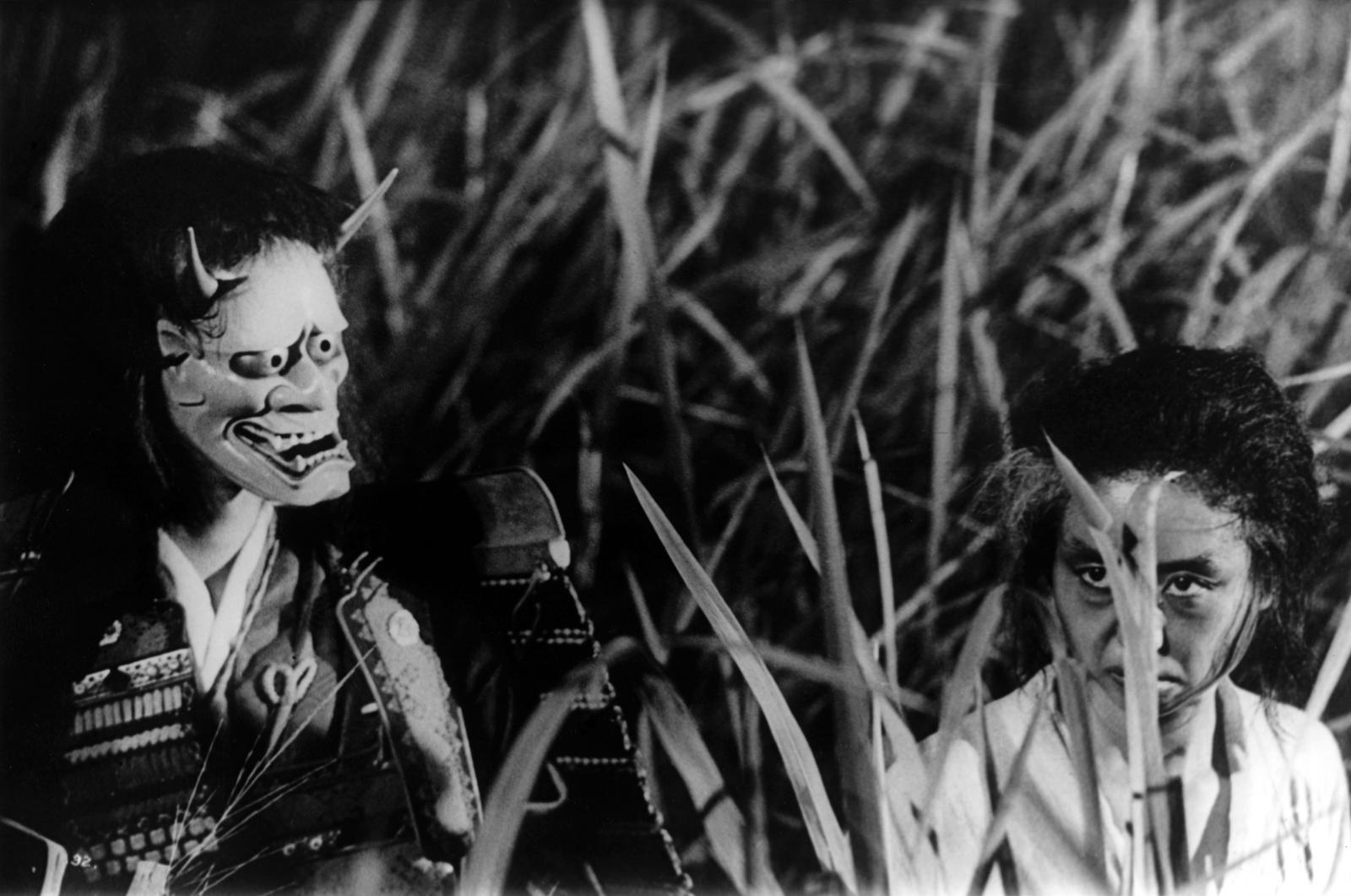
Released in the same year as fellow horror classic Kwaidan, Onibaba was a controversial offering that shocked Western audiences with its frank depictions of sexuality and violence. Kaneto Shindō wrote and directed this tale of two women in 14th-century Japan who make their bones by killing soldiers and stealing their armor before dropping them in a pit. When neighbor Hachi returns from war, his presence comes between the two women just as their past sins resurface.
Inspired by a Shin Buddhist parable, Onibaba evokes many of the familiar devices of a folk horror. A rural setting that allows its characters to first commit great misdeeds and then be punished for them, it draws on tradition and morality in ways that were shocking for the time. Onibaba had to be substantially edited (or censored) before it could be released in the UK, and while critics balked at its extremes, it is now one of the fundamental depictions of Japanese folk horror. A film described as equally chilling and beautiful, Onibaba captures a sense of apocalypse enabled by war and desperation that serves as fodder for spirits to feast on.
6. Viy (1967)

Like many of the films on this list, especially those from the 20th century, Viy is based on a pre-existing story. Except in Viy’s case, it’s Gogol (who admittedly based it on traditional lore). Also, like many of the movies on this list, Konstantin Yershov and Georgi Kropachyov’s film (cowritten with Aleksandr Ptushko) had to have its ending toned down both for technical reasons and to meet officials’ standards. Regardless, its effects were heralded as being ahead of their time.
Novice monk Khoma must watch over and pray for a dead woman whose presence summons the otherworldly. It’s an ordeal that tests his faith and drives him to the edge of sanity as he’s taunted by the souls of hell. Its nightmarish visuals have become the stuff of legend (and, obviously, nightmares), but its blending of cinematic technique and the mastery of Gogol’s tale have helped it endure across decades. There have been remakes and attempts to top it, a 2014 remake and a 1990 Serbian version, but Viy remains largely unsurpassed for how it visualized the region’s rich literary tradition and enduring folklore with innovative cinematic flourish.
7. Witchfinder General (1968)
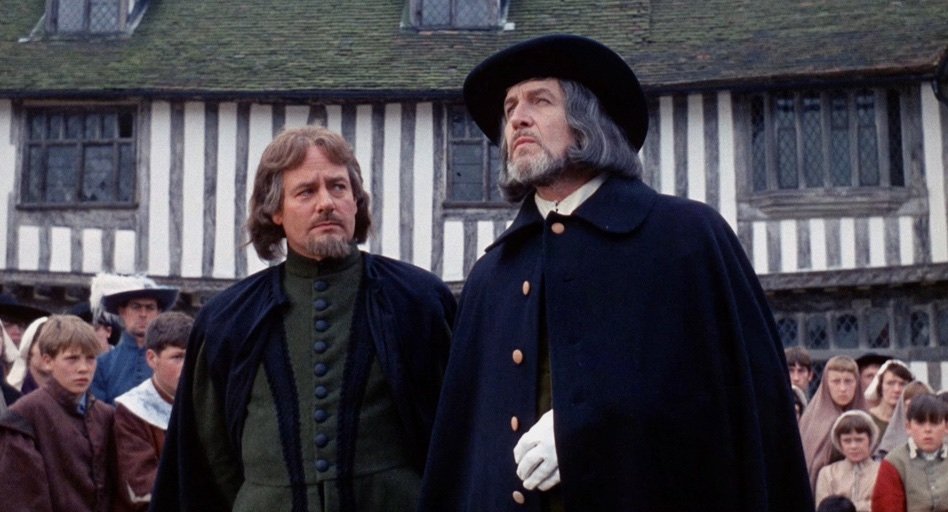
Folk horror – or the modern Western interpretation of it – is defined by the UK triumvirate or the Unholy Trinity, three films of similar aesthetics and themes made and released within six years of each other. The first is Michael Reeves’ Witchfinder General starring Vincent Price as a ghoul of a man who terrorizes the English countryside under the pretense of hunting witches.
The story behind Witchfinder General is rooted in truth. During the English Civil War, Matthew Hopkins (Price) claimed (falsely) that Parliament had appointed him the titular role. Witchfinder General was a low-budget production that sought to capitalize on Price’s successful Edgar Allan Poe adaptations. Reeves and Price were said to clash on the film, the film was rewritten and recut because financiers and censors thought it was too sadistic, and audiences were still aghast at the violence. But Price thought the final product included one of his best performances. Despite the uproar, some critics championed the film as it quickly became a cult favorite. It’s now hailed as a seminal piece of folk horror.
8. Kuroneko (1968)
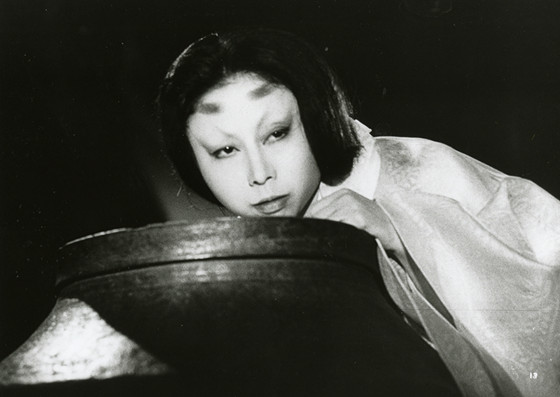
After Onibaba, Kaneto Shindō delivered another folk horror classic where vengeful spirits take revenge when the world of the living forgoes justice. When claims of a black cat ripping out the throats of samurai resound from the countryside, a military hero is sent to investigate claims of vengeful spirits and deal with the threat.
Kuroneko is typically described with phrases like “hauntingly beautiful” and “darkly seductive”. Its cinematography was particularly lauded, and while some critics noted a languishing tone more akin to a mood piece, this was also what made it such an eerie experience for so many. Today, even quibbles about the final act’s pacing have dwindled. Kuroneko is considered a masterpiece that’s hailed for its atmosphere and style. It’s also appreciated for its depth and social commentary, particularly in how it adapted the ghost revenge trope into an exploration of the treatment of women and the predatory approach of the samurai to the peasantry.
9. Witchhammer (1970)
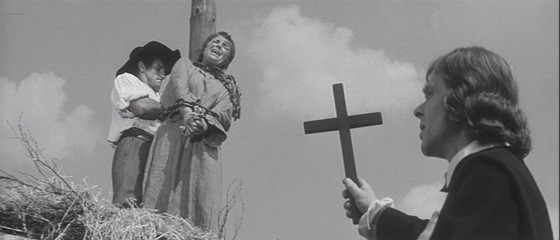
Witches are as much a staple of folk horror as werewolves are to body horror, and folk horror has long been a powerful vehicle to explore how witch trials were a way of using superstition to oppress local populations. Witchhammer is one of the most acclaimed of these entries to herald from Eastern Europe. This entry from Czeckoslovakia was directed by Otakar Vávra based on the Northern Moravian witch trials of the 1670s, and it remains a classic of the folk horror genre.
After an elderly beggar hides a communion wafer rather than consume it, inquisitors descend on the village to wreak terror. The focus on institutional cruelty couldn’t help but be taken as an allegory, and the brutality of Witchhammer, named after the notorious guide for inquisitors, made it a notorious entry into the folk horror canon. Of course, not every film about witch trials is folk horror. Witchhammer’s remote, isolated community torn apart by the tension of local superstition and official religion provides the evocative setting and insularity that often defines folk horror. Its depiction of how that local identity is subsumed by institutional opportunism and stoked by local paranoia reflects the genre’s core themes.
10. The Blood on Satan’s Claw (1971)

The Blood on Satan’s Claw is the second of the UK triumvirate or Unholy Trinity to define the classic folk horror aesthetic in British cinema. It was originally written as an anthology film before being repurposed as a single narrative, and producers inserted references to Witchfinder General. Upon release, reviews were mixed. As is typical with folk horror, time has been kind, and The Blood on Satan’s Claw has gone from cult classic to just straight classic.
In 17th century England, a farmhand digs up a deformed, fur-covered skull. Strange things in rural home beget his discovery. The local youth skip church to perform antiquated rituals. Soon, body parts and skin are being harvested. Some people even start growing fur. Director Piers Haggard worked with original writer Robert Wynne-Simmons to repurpose the script into one narrative about how modernity tries to snuff out superstition only for it to creep back into the enlightened world. The film was held up for its monstrous horror sequences, with the crew taking inspiration from Ingmar Bergman’s work, including The Virgin Spring. Even when it was described as bizarre, meandering, convoluted, a Hammer winnable, and a Witchfinder General rehash, many critics meant those things as a compliment.