 Skip to content
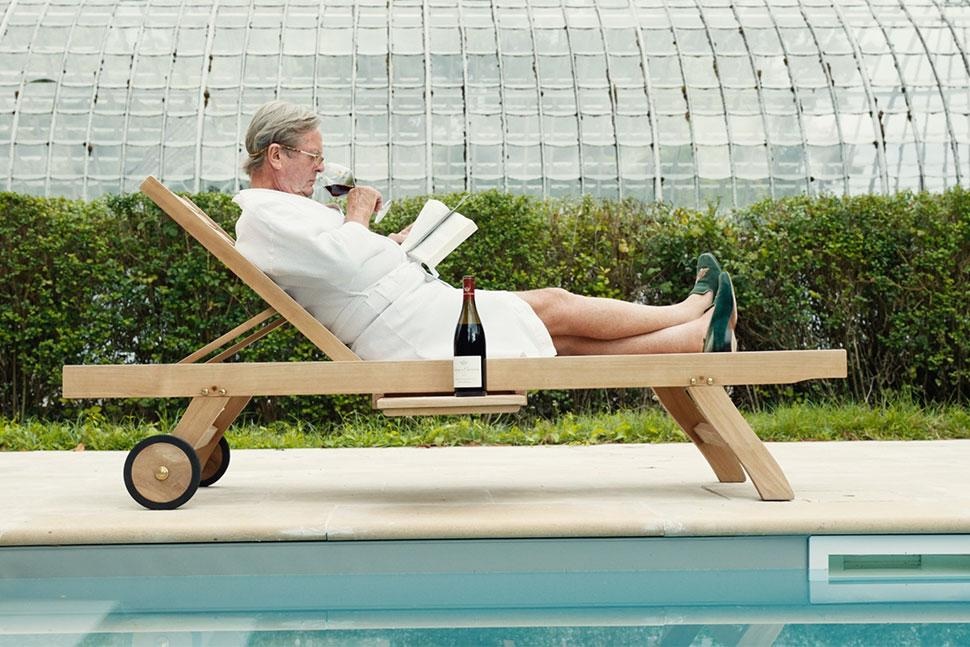
While Burgundy’s famous fine red wines and vineyards provide the setting and setting for this beautifully crafted film, co-directors Michael Dweck and Gregory Kershaw astutely deploy their vérité gaze, dwelling on love in all its forms both inside and outside the vines, focusing on the vineyards and their wealthy owners, as well as the workers and critics deeply invested in the region’s legendary red wines.
in BurgundyThe world’s most famous wine is only one part of the story, and ritual, heritage, romance and an appreciation of ‘terroir’ all combine to define why these famous red wines (white wines are rarely drunk here) carry such deep-rooted resonance. Dweck and Kershaw have previously documented traditional practices in films such as: truffle hunter (Scene of man and dog searching for fragrant tubers in Piedmont) Gaucho Gaucho (Argentine cowboys fight in packs in the Salta region.) So exploring the lives of the people associated with Burgundy vines seems like the perfect next step.
Perfect use of exquisite cinematography and a delightful (and very French) soundtrack help bring the filmmaker’s central characters to life. Each is identified on screen by their occupation, and some help reveal different aspects of the wine and region while you interact with them.
The film opens with domain owner Bertrand taking pictures outside his ‘rustic’ castle, which has been in his family for 160 years, and drinking fine wine by the pool. The other character we’re introduced to is Guillaume, the wine critic from Blind Tasting. Enzo, the ‘boy’ who washes his car shirtless before heading to work in the vineyard; Patrick, the master of the Michelin 3-star restaurant Maison La Meloise who is about to retire, and Celeste, who is training under Eric, a famous French sommelier, but is not sure if it is her job.
Young Enzo is very old-fashioned (he loves French actor and icon Jean Gabin) and when he eventually goes on a date with Céleste, he wants to wear a suit and tie and talk about wine for his future vineyard. Dweck and Kershaw depart slightly from the traditional documentary style to present home movie-style 8mm vignettes depicting Enzo and Céleste’s aspirations. This includes a scene where they dress up in Bonnie and Clyde costumes and rob an armored car.
The film jumps between various ‘leads’ trying to find their way in life. Bertrand is trying to convince his grandson Melchior (who jokes about life in Paris in the world of finance) to take over the vineyard. Enzo wants to move on from being a hard worker in the field to running his own business. Fresh from a breakup, Guillaume was filmed going on a series of dates where wine became the center of discussion, while also meeting his therapist. Céleste struggles to figure out if the job is for her, and Patrick gently scolds the restaurant staff as they strive for perfection on the tables and plates.
Everyone wants to move forward in some way, but all are driven by a love of wine and the region they live in, and although very different in terms of social status, they are united in their sense of place. Although Enzo and Celeste appear to separate, the film ends with them being dragged back to the place where they feel happiest. A desire for change and deep-rooted heritage are intertwined in this generous and beautifully rendered portrait of a place where history and tradition hold true value.
Naturally, wine drinking is central to the film, but Burgundy is neither pushy nor elitist about the importance and value of wine. The filmmakers spent two years filming and admit they were drawn to the rituals of life there. “Then we stayed. We stayed long enough to understand that the pleasures of Burgundy are not a hobby, but a discipline practiced daily, and the importance others place on religion. If you stay that long, you stop observing. We began to dream the story of the life we followed, until the film became a portrait of a magical community rendered through a drunken eye.”
France, 2026, 90 minutes
says: Michael Dweck, Gregory Kershaw
production: Beautiful Development Company
Overseas sales: Gesture
producer: Michael Dweck, Gregory Kershaw, Cameron O’Reilly
cinematography: Michael Dweck, Gregory Kershaw
editor: Pauline Gaillard
with: Enzo Ferrarili, Celeste Callis, Eric Goettelmann, Patrick Manière, Guillaume Barohan, Bertrand DeVilard, Matteo Berni, Noel Kermani, Melchior Monod.